AI in Book Publishing: Use It Without Losing Creativity
AI can help writers and artists develop ideas, but it shouldn't replace human creativity. Here's why creators should stay in control of their work.
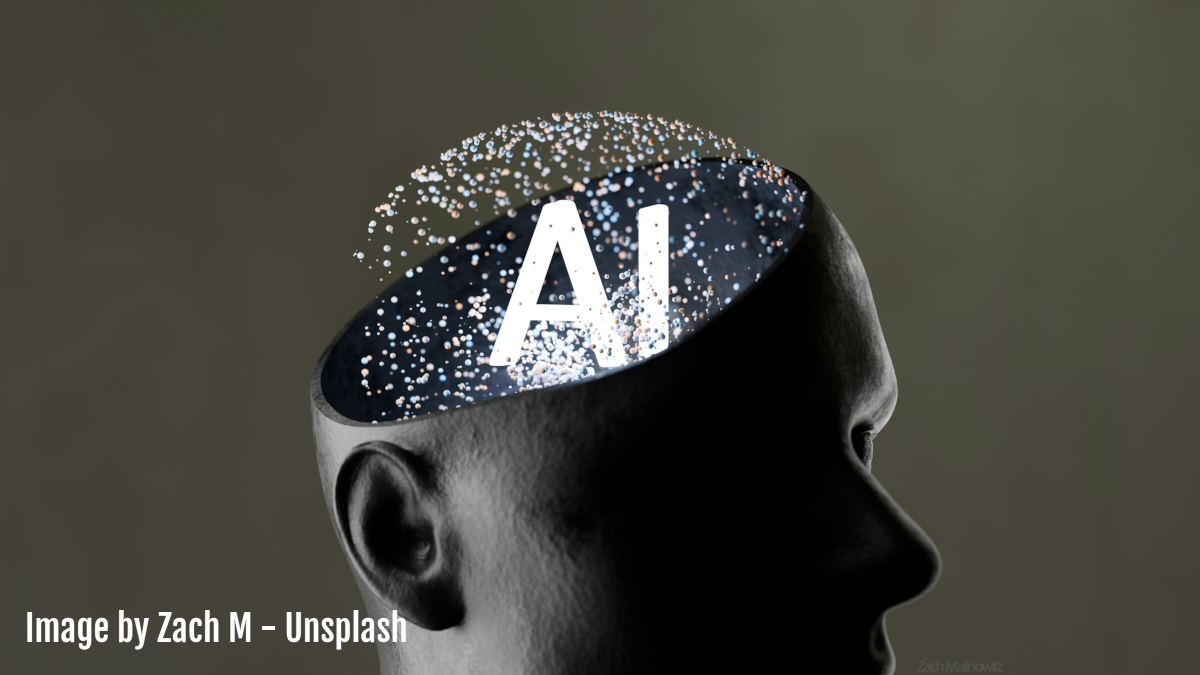
AI Can Help You Create, but It Shouldn't Create for You
Artificial intelligence is becoming increasingly difficult to avoid, especially in industries built around human creativity. Book publishing is no exception. From writing promotional copy and designing book covers to translating manuscripts and developing ideas, AI is increasingly entering more parts of the publishing process.
I've come to a simple realization: AI will probably become more prevalent across industries. Rather than resisting its existence, I think we should focus on how we use it.
There's an important distinction between using AI to support creativity and letting it take over the creative process.
Use AI as a Tool, Not as the Creator
In a Gizmodo article about major publishers reportedly using AI-generated content, the irony is that publishers concerned about AI-generated material are using the technology themselves. Meanwhile, a report summarized by AI Weekly describes how major publishing houses use AI tools for tasks such as back-cover copy, marketing materials, and cover art.
Businesses are always looking for ways to work more efficiently, and AI offers opportunities to do that. But efficiency shouldn't be the only consideration, especially when the work involves creativity.
I believe AI can be a useful assistant. It can help us brainstorm, organize our thoughts, explore possibilities, and get past the dreaded blank page. It can even point out weaknesses we might have overlooked.
However, AI should support our ideas, not replace them.
Consider writing a novel. Instead of asking AI to come up with an entire story and then accepting whatever it produces, start with your own idea. Develop the premise, imagine the characters, and decide where you want the story to go. Once you have that foundation, AI can help you explore ways to develop it further.
You can ask it to spot plot holes, flag inconsistencies, suggest ways to strengthen a character's motivation, or point out parts of the story that need more explanation. These are useful applications because they help you examine your own work from different perspectives.
But there's a difference between asking AI to identify a weakness in your story and asking it to rewrite the entire narrative to fix that weakness.
AI might suggest an alternative plot twist, introduce a new character, or take the story in a direction you never intended. Those suggestions might be interesting, but that doesn't mean you should automatically accept them.
If you have a particular vision for your story, stick to it. Consider the suggestions, decide which ones genuinely improve your work, and discard the rest. You can always ask for another approach without surrendering control of the narrative.
After all, the story is yours. Its direction should reflect your imagination, decisions, and creative judgment.
The Human Touch Still Matters
A CGTN report on the role AI could and should play in book publishing explores the technology's potential in areas such as translation, research, editing, and marketing. It also raises questions about authorship, copyright, and the human qualities that make creative work distinctive.
I find this an important distinction. AI can help with many tasks, but producing something technically correct isn't necessarily the same as producing something original or meaningful.
A story isn't simply a sequence of events that makes sense. How an author develops characters, handles themes, introduces surprises, and resolves conflicts contributes to what makes the work distinctive.
The same applies to other creative pursuits. A designer's decisions, an illustrator's style, and a writer's voice help make their work recognizable.
AI can offer possibilities, but the creator must decide what belongs in the finished work. Without that human judgment, we risk producing something that feels generic rather than personal.
That is why I don't think we should measure AI's value solely by how much work it can do for us. We should also consider whether we're preserving the creative qualities that make the work worth experiencing in the first place.
What About AI-Generated Art?
I'm particularly skeptical of AI-generated artwork when it's used as a finished product without meaningful human involvement.
In my opinion, AI art can be quite obvious. Sometimes, it has a recognizable artificial look that makes it hard to mistake for artwork made through a more traditional process. This might not always be a problem, depending on the image's purpose, but I believe creators should be transparent when they use AI-generated art in their work.
If you're going to use an AI-generated image as a book cover or illustration, I think you should disclose that rather than present it as though you created every aspect yourself.
However, I see things differently when the creator uses AI as a starting point and then substantially modifies the result.
For example, an illustrator might generate an initial concept, then redraw elements, change the composition, refine the details, and apply their own artistic style. A designer might use an AI-generated image as a reference, then recreate it using their own skills and techniques.
In these situations, the AI output becomes a starting point for a more personal creative process rather than the finished product.
Personally, I would be more comfortable treating that as human-directed creative work. If the creator has made substantial changes that reflect their own artistic decisions, I think there is a meaningful difference between that process and simply generating an image and using it as is.
I would also be more comfortable foregoing a disclosure specifically about AI-generated imagery when the creator has substantially transformed the final work through their own efforts. Of course, applicable laws, contracts, and publisher or platform policies may still require disclosure, regardless of how much the image has been modified.
To me, the important thing is that the creator contributes something of their own rather than relying entirely on what the AI produces.
Don't Let Convenience Replace Creativity
I understand why people and businesses are adopting AI. It can save time, reduce effort on certain tasks, and help people explore ideas they might not have considered otherwise. I don't think we need to reject these benefits simply because the technology is becoming more widespread.
But I do think we need to be mindful of how much creative control we're willing to hand over.
There's a difference between using AI to help you express an idea and asking AI to supply the idea, develop it, and produce the finished work with little meaningful input from you.
The former can help you become more productive. The latter risks turning you into someone who merely approves what a machine creates.
For writers, illustrators, designers, and other creative professionals, learning to use AI effectively doesn't have to mean allowing it to replace their skills. It can mean using the technology to identify weaknesses, explore alternatives, and improve their work while retaining ownership of the creative direction.
AI will continue to evolve, and its role in publishing will likely expand. We may not be able to stop that, and I don't think we should try.
Instead, we should learn where AI can help and where human involvement matters most.
Use AI to help you get started, but make sure the finished work still reflects you. Let it challenge your ideas, not dictate them. Let it help you find problems, not decide what your story should become. And in creative work, remember that the most important contribution should still come from the person behind it.
Because at the end of the day, AI can help you create something. But what makes that creation truly yours is what you bring to it.
Source articles
As They Supposedly Battle AI Slop, Major Publishers Reportedly Cover Their Books in It — Gizmodo, Mike Pearl, October 10, 2026.
Wired: HarperCollins, Simon & Schuster and Hachette Quietly Use Claude, ChatGPT and Jasper for Back-Cover Copy and Pitches — AI Weekly, October 10, 2026. Originally reported by WIRED; original WIRED article.
What roles could – and should – AI play in book publishing? — CGTN, Natalie Carney, October 10, 2026.
Featured image by Zach M (Unsplash)
About the Author
Publishing Journeyman
The Publishing Journeyman shares practical guides, eBook formatting tips, and self-publishing insights to help authors navigate every step of their publishing journey.
Leave a Reply
0 Comments
Loading comments...